
Mount Etna’s Hidden Biodiversity: Life on a Living Volcano
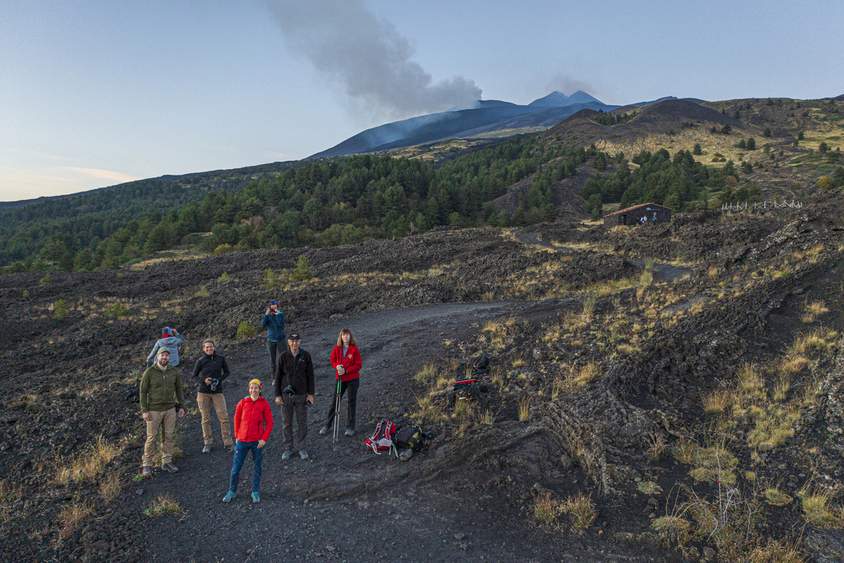
Mount Etna is famous for its eruptions, lava flows, and dramatic volcanic landscapes. Rising over 3,300 meters on the eastern coast of Sicily, it is the highest active volcano in Europe and one of the most active volcanoes in the world. Many travelers ask the question: can you hike Mount Etna? The answer is yes, and hiking the volcano reveals something surprising that many visitors don’t expect — an extraordinary world of biodiversity.
Despite its constant activity, Mount Etna is home to a rich and resilient ecosystem. Plants, animals, and microorganisms have adapted to survive in a landscape shaped by fire and ash. Exploring Etna on foot allows visitors to discover a hidden side of the volcano: a natural laboratory where life continuously adapts to extreme conditions.
A Volcano That Creates New Ecosystems
One of the most fascinating aspects of Mount Etna is how it constantly creates new habitats. Each eruption covers parts of the landscape with fresh lava and volcanic ash. At first, these surfaces appear completely lifeless — black rock stretching for kilometers.
But nature slowly returns.
Tiny pioneer species such as lichens and mosses are usually the first organisms to colonize the hardened lava. These simple life forms begin breaking down the volcanic rock and creating the first thin layer of soil. Over time, grasses and small plants grow, followed by shrubs and eventually trees.
This process can take decades or even centuries, but Etna offers a unique opportunity to see different stages of ecological succession side by side. While hiking the volcano, you may walk from a barren lava field created just a few years ago to a dense forest growing on lava that erupted hundreds of years ago.
The Unique Plants of Mount Etna
Many plants growing on Etna are specially adapted to survive in volcanic soil and harsh mountain conditions. Some species are found nowhere else in the world.
One of the most famous is the Etna broom (Genista aetnensis). This bright yellow flowering shrub thrives on volcanic slopes and is often one of the first larger plants to appear after an eruption. In late spring and early summer, entire lava fields become covered in golden blossoms, creating a striking contrast against the black volcanic rock.
Another remarkable plant is the Etna birch (Betula aetnensis). This tree forms forests at elevations between 1,500 and 2,000 meters and is considered the southernmost birch species in Europe. Its white bark and delicate leaves create beautiful landscapes, especially during autumn when the foliage turns bright yellow.
There are also rare orchids, wild herbs, and aromatic plants growing in the volcanic soil. Many of these plants benefit from the minerals released by ancient lava flows.
For hikers, discovering these botanical treasures is one of the most rewarding parts of exploring the volcano.
Wildlife on the Slopes of the Volcano
Although Etna’s environment may appear harsh, many animals have adapted to live on the volcano.
Small mammals such as foxes, martens, and wild rabbits inhabit the forests on Etna’s lower slopes. These animals are rarely seen during the day but leave tracks along hiking trails and forest paths.
Birdlife is particularly rich. Raptors such as peregrine falcons and buzzards soar above the volcanic valleys, while woodpeckers, owls, and various songbirds live in the forests. During certain seasons, migrating birds also pass through the Etna region.
Reptiles and insects play an important role in the ecosystem as well. Lizards bask on warm lava rocks, while butterflies and bees pollinate the many flowering plants growing on the slopes.
Because Mount Etna Regional Park covers nearly 60,000 hectares, it provides a protected environment where wildlife can thrive despite the volcano’s activity.
Life Underground: Lava Tubes and Hidden Worlds
Another fascinating aspect of Etna’s biodiversity lies underground.
When lava flows cool on the surface while molten lava continues moving inside, they can create tunnels known as lava tubes. These caves form unique microhabitats that remain cool and stable throughout the year.
Inside some lava tubes, you can find specialized insects, spiders, and microorganisms adapted to darkness and humidity. Mosses and ferns sometimes grow near cave entrances where light and moisture are present.
For hikers, visiting a lava cave is a memorable experience that reveals how volcanic activity creates not only destruction but also new environments for life.
Can You Hike Mount Etna?
Many travelers planning a trip to Sicily ask: can you hike Mount Etna?
Yes — hiking is one of the best ways to explore the volcano and discover its biodiversity. Mount Etna offers a wide variety of trails that pass through forests, lava fields, craters, and volcanic deserts.
Some hikes are relatively easy and suitable for beginners, especially in the lower areas of the Etna Regional Park. These trails often pass through pine forests, lava flows from historical eruptions, and scenic viewpoints overlooking the sea.
More challenging hikes lead to higher altitudes where the environment becomes more rugged and lunar-like. In these areas you can walk near volcanic craters, steam vents, and recent lava formations.
However, access to the highest zones of the volcano is regulated for safety reasons due to Etna’s ongoing volcanic activity. Guided tours are often required to explore certain areas near the summit.
A UNESCO World Heritage Landscape
In 2013 Mount Etna was designated a UNESCO World Heritage Site, not only because of its volcanic activity but also because of its geological and ecological importance.
Scientists from around the world study Etna to better understand volcanic processes, ecological succession, and how life adapts to extreme environments.
For visitors, hiking on Etna means walking through a landscape that is constantly evolving. Few places on Earth offer such a visible connection between geology, nature, and time.
Discover Etna’s Natural Secrets with IntoEtna
To truly appreciate the biodiversity of Mount Etna, exploring the volcano with experienced local guides can make a huge difference. Guides know where to find hidden trails, ancient lava flows, unique plants, and spectacular viewpoints that many visitors miss.
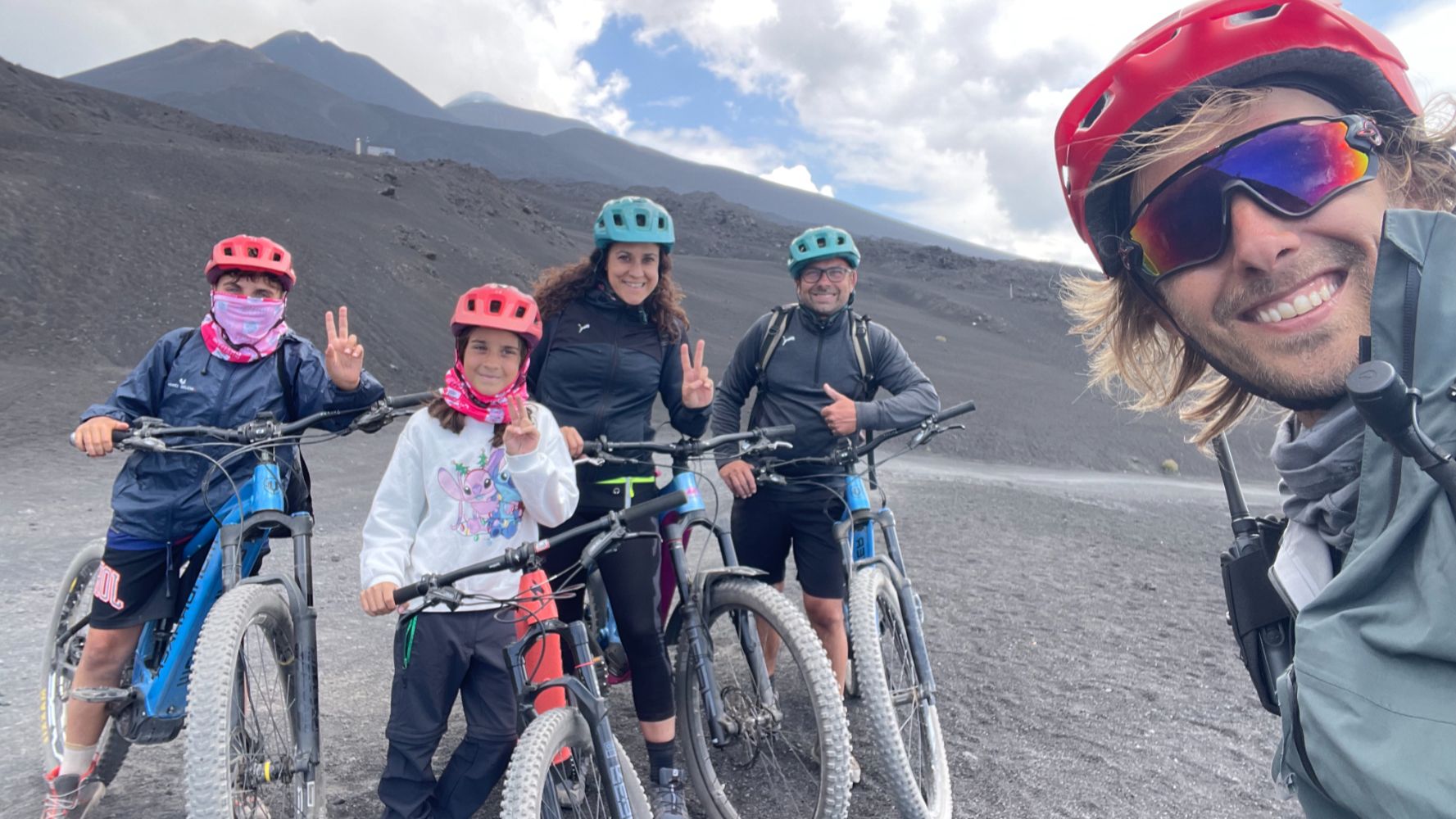
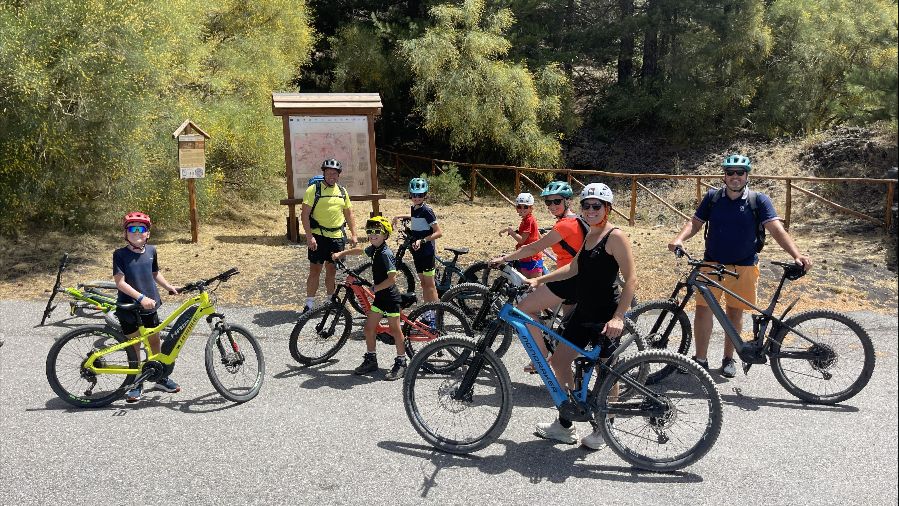
At IntoEtna, you can join guided adventures that combine nature, geology, and outdoor exploration. Whether you prefer hiking through volcanic landscapes or exploring the mountain by e-bike, these tours offer a deeper understanding of the volcano and its unique ecosystems.
Discover the experiences available here.
Mount Etna is often seen as a symbol of destruction because of its eruptions. Yet, the volcano also represents renewal and resilience. From tiny lichens growing on fresh lava to forests thriving on ancient volcanic soil, life continues to adapt and flourish on this living mountain.
And if you’re wondering can you hike Mount Etna, the answer is simple: yes — and every step reveals another hidden story of life on one of the world’s most extraordinary volcanoes.
Keep reading:

Book With Extra Flexibility
Choose new departure dates if your plans change.
Reach out to us anytime via online chat, phone or email.
Get credit for future trips if you need more time to decide.
Change to a different tour run by the same tour operator.